Franchise relationships give business owners the chance to operate under a proven brand and business model, but disagreements still arise. Common disputes involve territory rights, disagreements over fees, and violations of the franchise contract. Franchise litigation can cost tens of thousands of dollars and last more than a year. That much time and money can strain both sides and damage the brand.
Fortunately, how to resolve franchise disputes without litigation involves several options that often save resources while protecting the business relationship. Methods such as negotiation, mediation, and arbitration offer faster, more cost-effective solutions.
If you’re involved in a franchise dispute, consider speaking with a knowledgeable franchise attorney who has experience with alternative dispute resolution for a free consultation.
Schedule Your Free Consultation
Understanding Common Franchise Disputes
Franchisors and franchisees share the same brand, but they don’t always share the same perspective. Even with a clear agreement in place, disputes can develop when one party believes the other has stepped outside the terms of the contract.
Many conflicts fall into the same recurring categories, and knowing how these issues arise helps in finding a path toward resolution before they turn into costly battles.
Territory and Exclusivity Violations

Most franchise agreements set clear geographic boundaries for each location. This protects the franchisee’s investment by reducing direct competition from the same brand. Problems start when a franchisor authorizes a new location too close to an existing one or allows online sales that ship into a protected area.
For example, a pizza franchisee operating in one part of a city might lose customers if the franchisor opens another store just a few miles away. This type of conflict often feels personal because it directly affects revenue.
Royalty and Fee Disagreements
Franchisees pay royalties and other ongoing fees in exchange for brand rights, support services, and marketing. Disputes often arise over how those fees are calculated or used. A franchisee might claim the franchisor miscalculated sales figures or failed to use the advertising fund as promised.
Even small misunderstandings over accounting can snowball when monthly payments are significant.
Marketing and Advertising Disputes
Shared marketing funds aim to promote the brand across all locations. Trouble begins when franchisees feel the money is not benefiting their territory or is being spent inefficiently.
For example, a franchisee in Florida might object to paying for a national ad campaign focused on products or promotions that appeal more to customers in colder climates.
Quality Control and Brand Standard Conflicts
Franchisors require consistency so customers have the same experience no matter where they go. Franchisees might disagree with certain changes in menu items, store layouts, or service procedures, especially if those changes increase costs.
Conversely, a franchisor might accuse a franchisee of failing to follow brand standards, which could harm the brand’s image.
Contract Termination and Renewal Issues
Ending or extending a franchise agreement can lead to tension. Disputes often focus on whether one side met the conditions for renewal or if termination was justified.
For example, a franchisor might claim repeated breaches of contract, while the franchisee insists they corrected the issues.
Supply Chain and Vendor Disputes
Some agreements require franchisees to buy products from approved vendors to maintain quality and consistency. Franchisees may argue that these restrictions limit their ability to cut costs or that the approved suppliers are not delivering on quality promises.
In some cases, supply chain delays from these vendors lead to further friction.
The Hidden Costs of Franchise Litigation
When a franchisor and franchisee take a dispute to court, both sides commit to a process that can drain money, time, and energy. While some conflicts truly require a judge’s ruling, many franchise disputes end up in litigation because communication broke down too early. The costs often extend far beyond legal fees, touching nearly every part of the business.
Average Legal Fees and Court Costs
Litigation is expensive from the start. Filing fees, attorney retainers, discovery expenses, and expert witness costs add up quickly. Even a straightforward dispute may cost tens of thousands of dollars before it reaches trial. More complex cases involving multiple claims or counterclaims can cost far more.
For a small franchisee or an expanding franchisor, that kind of expense can strain budgets for years.
Time Investment and Business Disruption
Court cases demand attention from the people who run the business. Owners, managers, and key staff often spend hours gathering documents, preparing for depositions, and meeting with attorneys. That time could have gone toward growing sales, improving operations, or serving customers.
When leadership is tied up in a legal dispute, daily operations can suffer, which may lead to missed opportunities and lower profits.
Potential Damage to Franchisor-Franchisee Relationships
Franchise systems thrive on cooperation. Once the two sides face each other in court, trust often erodes beyond repair. Even if the dispute is eventually resolved, the working relationship can remain tense. That tension can make future collaboration harder, especially when it comes to marketing campaigns, supply chain coordination, or territory adjustments.
Impact on Brand Reputation and Other Franchise Locations
Litigation often becomes public record. Competitors, customers, and potential franchisees may read about the dispute and question the stability of the brand. Negative publicity can ripple across the franchise system, affecting locations that had nothing to do with the original conflict.
For example, a publicized lawsuit about quality control could lead customers to doubt the brand’s reliability across all locations.
Uncertainty of Litigation Outcomes
Court decisions can be unpredictable. A case that seems straightforward to one side may look very different to a judge or jury. Even if you have strong evidence, you might still face an unfavorable ruling. The risk of losing after months or years of litigation makes the outcome far from guaranteed.
What Are the Main Alternatives to Litigation?
Franchise disputes don’t have to end up in a courtroom. Many disagreements resolve more quickly and with less expense through alternative dispute resolution (ADR). ADR includes several methods designed to bring both sides together to find solutions without the delays and costs of formal trials. These approaches give franchisors and franchisees more control over the outcome and often preserve working relationships that might otherwise collapse under the strain of litigation.
Negotiation and Direct Communication
Sometimes, sitting down to talk through the problem is the most effective option. Direct negotiation works best when both parties commit to listening as much as speaking. The process can be informal, such as a scheduled phone call, or more structured, like a series of planned meetings with clear agendas. For example, if a franchisee disputes how advertising funds are being spent, the franchisor might present a detailed breakdown of expenses and agree to redirect a portion of the budget toward local marketing efforts. These kinds of conversations can stop a dispute from growing larger.
Mediation Services
Mediation involves a neutral third party who helps the disputing sides communicate and explore solutions. The mediator doesn’t decide the outcome but instead guides the discussion, making sure each party’s concerns are heard. Mediation is voluntary, so both sides must agree to participate. Because the process is private, it also avoids the public exposure of a court case.
Arbitration Proceedings
Arbitration is a more formal process than mediation, but still takes place outside of court. An arbitrator listens to each side, reviews evidence, and issues a decision. Depending on the terms of the franchise agreement, that decision can be binding or non-binding. Many franchisors include arbitration clauses in their contracts to streamline dispute resolution.
Expert Determination
Certain franchise disputes involve technical questions best answered by an industry professional. Expert determination allows the parties to appoint a specialist who reviews the facts and makes a decision. The expert’s decision may be binding or advisory, depending on the agreement.
Franchise Ombudsman Programs
Some franchise systems appoint an ombudsman to act as an internal dispute resolver. The ombudsman listens to both sides, investigates the facts, and suggests solutions. Because the ombudsman works within the franchise system, they often understand its culture, policies, and unique challenges better than an outsider. This familiarity can speed up the process and reduce misunderstandings.
How Does Mediation Work in Franchise Disputes?
Mediation gives franchisors and franchisees a chance to work toward a resolution with the help of a trained facilitator.
The mediator meets with both sides, first together and then separately. Each side presents its view, and the mediator encourages open discussion. The goal is a written agreement both parties can accept.
Benefits of Mediation for Franchise Relationships
Mediation often preserves relationships. The process is confidential, so disputes don’t become public. Solutions can be more creative than court rulings.
Selecting the Right Mediator
Choosing someone with franchise law experience increases the chance of success. Both sides should agree on the mediator to ensure trust in the process.
Preparing for Mediation Sessions
Gather relevant documents, outline key points, and know your desired outcome. Being ready helps you present your position clearly.
Schedule Your Free Consultation
When Should You Consider Arbitration?
Arbitration offers another option for resolving franchise disputes without going to court.
Understanding Binding vs Non-Binding Arbitration
Binding arbitration means the arbitrator’s decision is final, with limited chances for appeal. Non-binding arbitration allows either side to reject the decision and pursue other options.
Arbitration Clauses in Franchise Agreements
Many franchise agreements require arbitration. These clauses usually outline the process, including how the arbitrator is chosen and where hearings take place.
Cost Comparison with Traditional Litigation
Arbitration generally costs less than court because it moves faster and involves fewer procedural steps. However, it still requires preparation and legal representation.
Enforceability of Arbitration Awards
Courts often enforce arbitration decisions, making them a reliable way to end disputes.
Building Effective Communication Strategies
Preventing disputes often comes down to clear, consistent communication.
Establishing Regular Franchisor-Franchisee Check-Ins
Routine meetings let both sides address concerns before they grow into larger problems.
Creating Clear Escalation Procedures for Disputes
Having a set process for raising and resolving issues avoids confusion and delays.
Documentation Best Practices for Conflict Resolution
Keeping detailed records of communications and transactions supports your position if a dispute arises.
Training Staff on Conflict De-Escalation Techniques
Well-trained staff can handle smaller problems before they escalate to formal disputes.
What Role Does Legal Counsel Play in Alternative Dispute Resolution?
Attorneys help protect your rights and guide you through the process.
Pre-Dispute Planning and Contract Review
A skilled attorney can review your franchise agreement and identify clauses that might lead to disputes, giving you a chance to address them early.
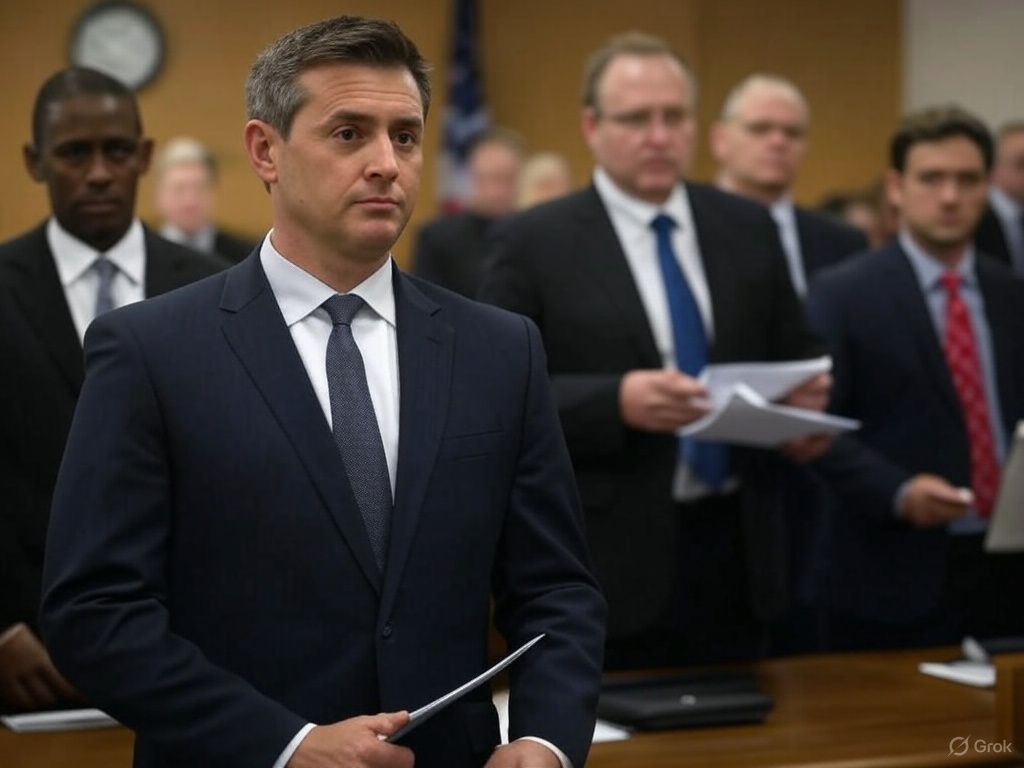
Representation During Mediation and Arbitration
Legal counsel can present your position effectively, suggest negotiation strategies, and review proposed agreements.
Negotiation Strategy Development
An attorney helps you set realistic goals and plan the steps to reach them.
Protecting Your Rights Throughout the Process
From start to finish, legal counsel ensures the other side doesn’t take advantage of the process.
Preventive Measures to Avoid Future Disputes
Prevention often costs less than resolution.
- Comprehensive franchise agreement drafting: Clear, detailed contracts reduce the chance of misunderstanding.
- Regular compliance audits and assessments: Checking that both franchisor and franchisee meet their obligations keeps the relationship strong.
- Clear communication protocols and expectations: Defining how and when to share information improves cooperation.
- Ongoing legal counsel and relationship management: Working with a knowledgeable attorney over time helps you adjust to changing laws and market conditions.
FAQs About Franchise Dispute Resolution
Is alternative dispute resolution binding?
It depends on the method chosen. Mediation is typically non-binding, while arbitration can be binding or non-binding based on the agreement.
How long does mediation typically take compared to litigation?
Mediation usually takes weeks or months, while litigation can extend for years.
Can I still pursue litigation if alternative dispute resolution fails?
Generally yes, unless you've agreed to binding arbitration or signed a settlement agreement.
Do franchise agreements typically include dispute resolution clauses?
Most modern franchise agreements include mandatory mediation or arbitration clauses.
What if the other party refuses to participate in alternative dispute resolution?
If required by contract, they may be in breach. Legal counsel can help enforce participation.
Let Our Skilled Dispute Resolution Attorneys in Florida Help

Franchise disputes require careful handling to protect your investment and relationships. The attorneys at Gross Law Group have years of experience helping clients in Florida address disagreements through negotiation, mediation, and arbitration. Our team focuses on practical solutions that save time and money. We offer services such as contract review, representation during mediation, and counsel in arbitration proceedings.
Contact our office today to schedule a free consultation and learn how early legal intervention can help you resolve disputes efficiently and preserve your business relationships.